





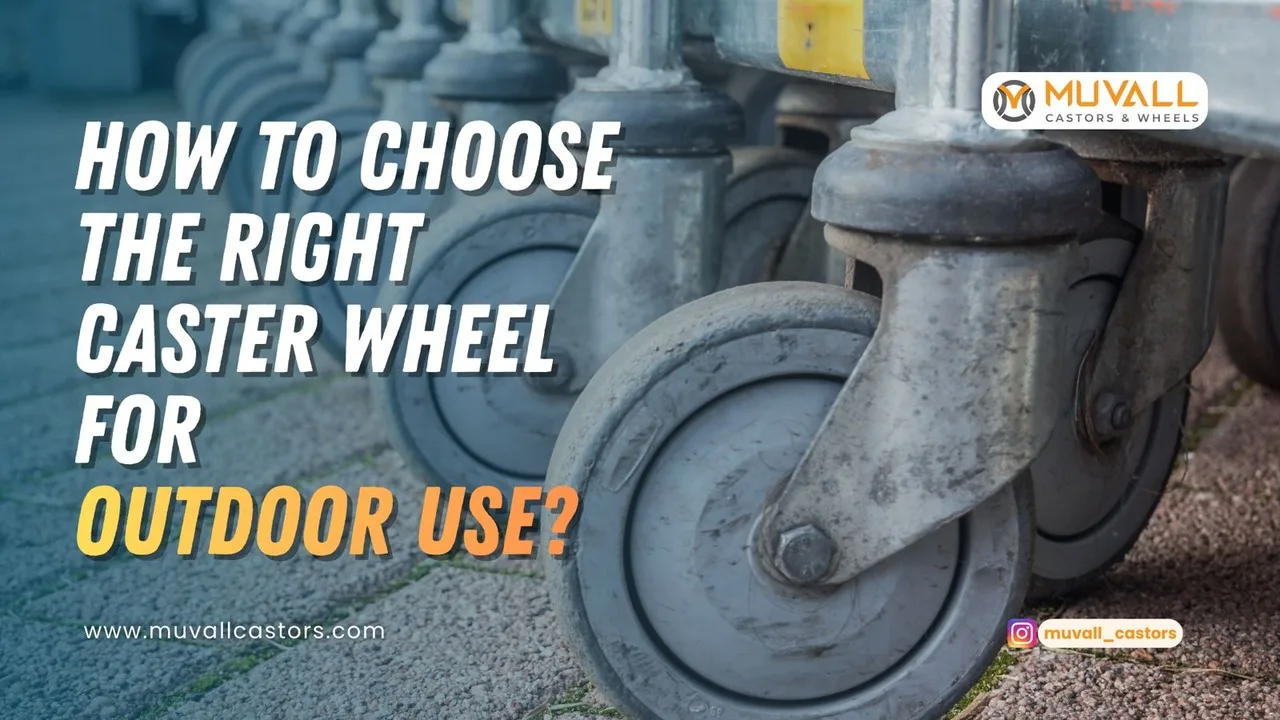
How to Choose the Right Caster Wheel for Outdoor Use
Selecting the right caster wheel for outdoor use is crucial for ensuring durability, smooth mobility, and safety across uneven or harsh surfaces. Unlike indoor wheels, outdoor caster wheels must withstand environmental exposure such as moisture, dirt, gravel, temperature fluctuations, and rough terrain. Choosing the wrong type can result in premature wear, difficult movement, or even equipment failure.
This guide explains how to select the best outdoor caster wheels based on terrain, load capacity, material, and environmental conditions so you can make a smart long-term investment.
Why Outdoor Applications Require Specialized Caster Wheels
Outdoor environments place significantly more stress on wheels than indoor floors. Surfaces like asphalt, gravel, grass, concrete joints, and construction sites create rolling resistance and impact stress. Additionally, exposure to rain, sunlight, chemicals, and debris can degrade low-quality wheels quickly.
Outdoor-grade caster wheels are designed to:
- Resist corrosion and rust
- Handle uneven terrain
- Support heavier loads
- Absorb shocks and vibration
- Maintain performance in extreme temperatures
Key Factors to Consider When Choosing Outdoor Caster Wheels
1. Terrain Type
Surface condition determines wheel hardness and diameter.
| Surface | Recommended Wheel |
|---|---|
| Concrete | Polyurethane or rubber |
| Gravel | Pneumatic or large rubber |
| Grass | Pneumatic |
| Rough terrain | Large diameter heavy-duty wheels |
Larger wheels roll more easily over obstacles and require less pushing effort.
2. Wheel Material
Material choice affects performance, longevity, and cost.
- Shock absorbing
- Quiet movement
- Ideal for rough outdoor surfaces
- High load capacity
- Resistant to abrasion and chemicals
- Works well on mixed surfaces
- Air-filled for maximum cushioning
- Best for uneven terrain
- Strong and durable
- Suitable for heavy loads on hard surfaces
3. Load Capacity
Always calculate the total load and divide by the number of wheels. Add a safety margin of at least 25% to prevent overload damage. For example:
- Total load = 400 kg
- 4 wheels → 100 kg each
- Recommended capacity per wheel = 125–140 kg
This prevents wheel deformation and ensures smooth rolling outdoors.
4. Wheel Diameter and Width
Outdoor wheels should generally be:
- Larger in diameter → Easier movement over bumps
- Wider tread → Better stability on uneven ground
Small wheels are suitable only for smooth surfaces and should be avoided outdoors.
5. Bearing Type
Outdoor environments expose bearings to dust, mud, and water. Choose:
- Sealed precision bearings → Best performance
- Roller bearings → Heavy loads
- Stainless steel bearings → Corrosion resistance
Avoid low-grade bushings for outdoor industrial use.
6. Frame Material and Finish
The caster frame should be as durable as the wheel.
Best options:
- Zinc-plated steel → Rust protection
- Stainless steel → Corrosion-proof
- Powder-coated brackets → Weather resistant
Frames often fail before wheels if material quality is poor.
Types of Outdoor Caster Wheel Configurations
Different setups provide different advantages:
- Rigid casters → Straight movement for heavy loads
- Swivel casters → Easy maneuverability
- Brake casters → Stability on slopes
- Shock-absorbing casters → Smooth transport over rough ground
For outdoor carts, a combination of swivel and rigid wheels usually offers the best control.
Common Mistakes When Buying Outdoor Wheels
Avoid these frequent selection errors:
- Choosing small wheels for rough terrain
- Ignoring environmental exposure
- Underestimating load capacity
- Selecting indoor wheels for outdoor use
- Overlooking corrosion protection
These mistakes often lead to frequent replacements and higher long-term costs.
Best Use Cases for Outdoor Caster Wheels
Outdoor-grade caster wheels are commonly used in:
- Construction equipment
- Warehouse yard carts
- Garden and agricultural trolleys
- Airport ground support equipment
- Hospitality service carts
- Industrial transport platforms
Each application demands a specific wheel design tailored to terrain and load.
Maintenance Tips for Outdoor Wheels
Outdoor wheels require periodic maintenance to maintain performance:
- Remove debris from treads
- Wash mud and dirt after use
- Lubricate bearings monthly
- Inspect brackets for rust
- Replace worn wheels immediately
Routine inspection can double the lifespan of heavy-duty outdoor casters.
Final Thoughts
Choosing the right caster wheel for outdoor use involves more than just picking a wheel size. The ideal choice depends on terrain, load capacity, material strength, bearing quality, and environmental resistance. Investing in properly designed outdoor caster wheels ensures smoother movement, improved safety, reduced maintenance, and long-term cost savings.
When selected correctly, the right caster wheel transforms outdoor mobility from a challenge into a seamless operation.