





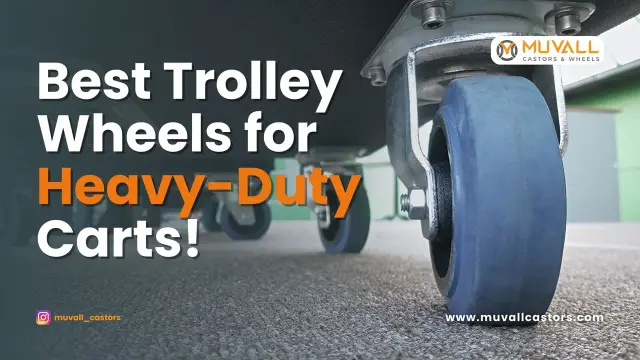
Best Trolley Wheels for Heavy-Duty Carts
When it comes to moving heavy loads efficiently and safely, choosing the right trolley wheels is one of the most important decisions for any warehouse manager, factory operator, or equipment buyer. The wrong wheels can lead to frequent breakdowns, unsafe handling, floor damage, and costly downtime. On the other hand, high-quality heavy-duty wheels improve mobility, productivity, and equipment lifespan.
This guide explains how to choose the best trolley wheels for heavy-duty carts, what materials work best, and which features you should prioritize to ensure long-term performance.
Why Choosing the Right Trolley Wheels Matters
Heavy-duty carts often carry loads ranging from 300 kg to 2000 kg or more. Standard wheels are not built to handle this pressure and may fail under stress. Proper heavy-load trolley wheels offer:
- Smooth movement even under extreme weight
- Reduced operator effort and fatigue
- Better load stability and control
- Floor protection and reduced noise
- Longer service life with minimal maintenance
Selecting the correct wheel type is not just about load capacity. It’s about matching the wheel to the environment, surface, and usage frequency.
Types of Trolley Wheels for Heavy Loads
1. Polyurethane (PU) Wheels: Best Overall Choice
PU wheels are widely considered the best trolley wheels for heavy-duty carts. They combine strength, durability, and floor protection.
Advantages
- High load capacity
- Non-marking surface
- Shock absorption
- Quiet operation
Best For
Warehouses, factories, logistics centers, and indoor industrial environments.
2. Nylon Wheels: Maximum Strength Option
Nylon trolley wheels are known for their rigidity and high load tolerance. They are ideal for extremely heavy loads where durability is the top priority.
Advantages
- Very high weight capacity
- Resistant to chemicals and oils
- Low rolling resistance
Best For
Heavy machinery carts, industrial plants, and metal fabrication units.
3. Rubber Wheels: For Rough Surfaces
Rubber wheels are suitable when carts operate on uneven or outdoor surfaces.
Advantages
- Excellent shock absorption
- Good grip on rough floors
- Reduced vibration
Best For
Construction sites, outdoor trolleys, and transport carts.
4. Cast Iron or Forged Steel Wheels: Extreme Duty
For extremely heavy or high-temperature applications, metal wheels are used.
Advantages
- Extremely high load capacity
- Resistant to heat and impact
- Long lifespan in harsh environments
Best For
Steel plants, furnaces, and heavy engineering industries.
Key Factors to Consider When Choosing Heavy-Duty Trolley Wheels
Load Capacity per Wheel
Always calculate the total cart load and divide it by the number of wheels. Add a 25–30% safety margin. For example:
Total load: 1000 kg
4 wheels: 250 kg each
Recommended wheel rating: 325 kg+
Wheel Diameter
Larger wheels roll more easily and handle obstacles better. Heavy carts typically use wheels between 125 mm and 250 mm in diameter.
Rule:
Bigger wheel = Less pushing force required
Bearing Type
Bearings determine how smoothly a wheel rolls under load.
- Ball bearings → Best for heavy loads and frequent use
- Roller bearings → Good for industrial environments
- Plain bearings → Light duty only
For heavy-duty carts, always choose precision ball bearings.
Mounting Type
Choose mounting depending on your trolley design:
- Plate mount → Most stable for heavy loads
- Stem mount → Used for equipment carts
- Bolt hole mount → Compact applications
Plate mounts are generally best for heavy-duty industrial carts.
Floor Type Compatibility
| Floor Type | Recommended Wheel |
|---|---|
| Concrete | Nylon or PU |
| Epoxy | PU |
| Tiles | Rubber or PU |
| Outdoor | Rubber |
| Metal floor | PU or Nylon |
Matching wheel material to floor surface prevents premature wear and improves rolling efficiency.
Swivel vs Rigid Wheels for Heavy-Duty Carts
Heavy carts usually use a combination of wheel types:
Swivel Wheels
- Rotate 360°
- Provide maneuverability
- Used at front
Rigid Wheels
- Move only forward/backward
- Provide stability
- Used at rear
Best setup:
2 swivel + 2 rigid wheels for optimal control and load balance.
Signs You’re Using the Wrong Trolley Wheels
If your cart shows any of these symptoms, your wheels are likely undersized or unsuitable:
- Wheels flatten under load
- Difficult to push or steer
- Loud rolling noise
- Frequent bearing failure
- Floor marks or scratches
Upgrading to heavy-duty trolley wheels immediately improves performance and reduces long-term costs.
Best Wheel Features for Heavy-Duty Applications
When buying trolley wheels, look for these professional-grade features:
- Double ball race swivel head
- Reinforced steel brackets
- Thick wheel tread
- Dust-proof bearings
- Zinc or powder-coated finish
- Integrated brake system
These features ensure durability in demanding industrial environments.
Why Quality Matters More Than Price
Many buyers choose low-cost wheels to save money, but cheap wheels often fail quickly under heavy loads. This leads to:
- Frequent replacements
- Equipment downtime
- Worker fatigue
- Safety hazards
Investing in premium trolley wheels reduces maintenance costs and improves operational efficiency.
Pro Tips for Maximum Wheel Lifespan
To extend the life of heavy-duty trolley wheels:
- Avoid overloading carts
- Clean wheels regularly
- Lubricate bearings periodically
- Replace damaged wheels immediately
- Store carts in dry environments
Preventive maintenance can double the lifespan of industrial wheels.
Final Thoughts
Choosing the best trolley wheels for heavy-duty carts is essential for safe, efficient, and long-lasting material handling. The ideal wheel depends on your load capacity, floor type, environment, and frequency of use. Polyurethane wheels are the most versatile option, while nylon and steel wheels are best for extreme loads.
Instead of focusing only on price, prioritize durability, load rating, and build quality. The right trolley wheels not only improve performance but also protect equipment, floors, and workers, making them a critical investment for any industrial operation.
Still unsure which wheel suits your load? Download Our Boucher to get the right recommendation.